

OKR vs. EOS vs. KPI: Which System is Right for You?
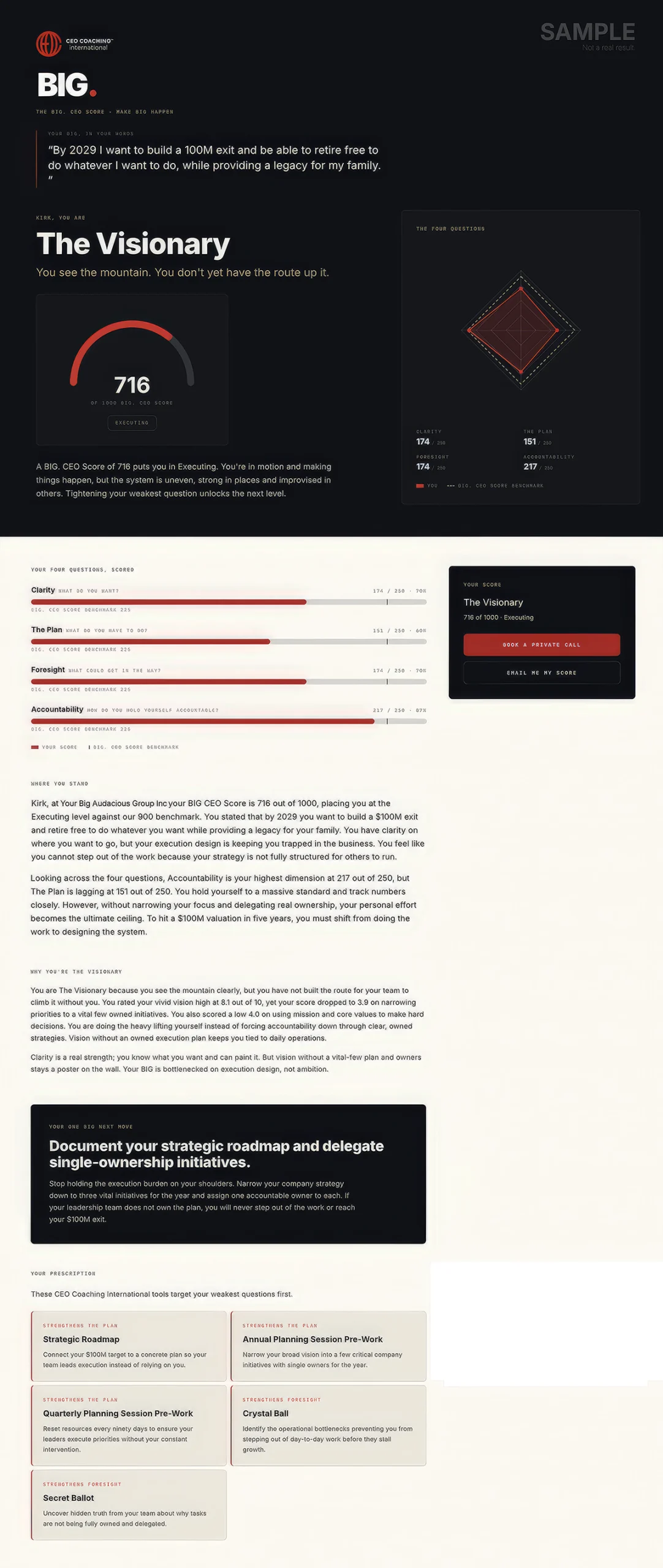
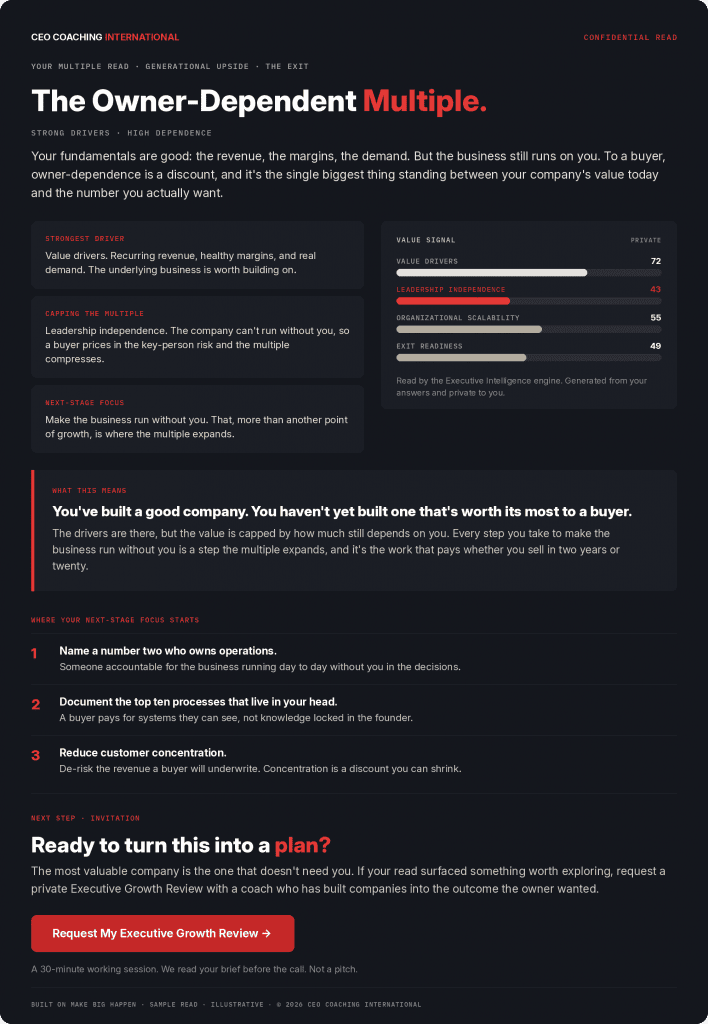
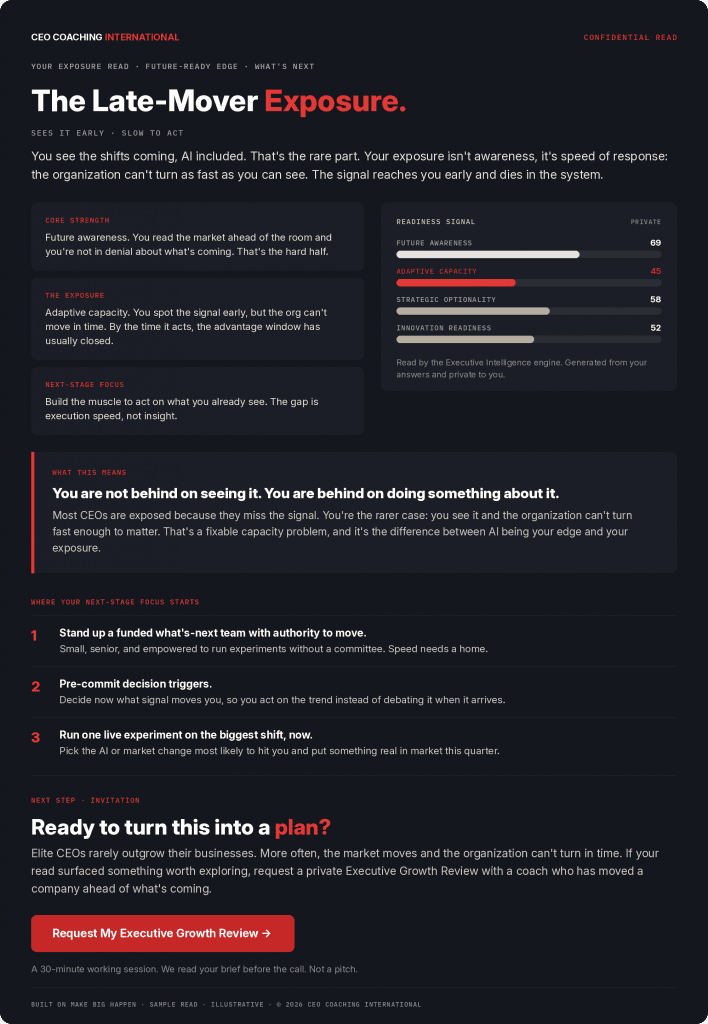
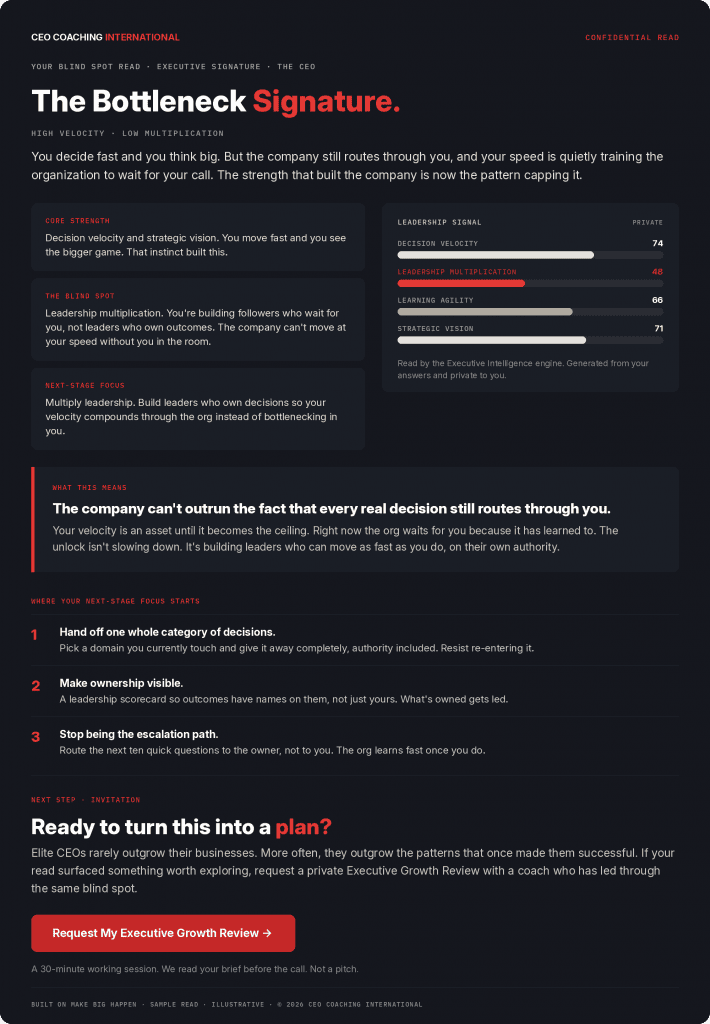
OKR. EOS. KPI. You’ve heard of these acronyms, but which one is right for holding your team accountable?
The reality is, all three of these systems can work together to help you meet your goals. In this post, we’ll walk through each one of these accountability structures so you can identify which elements would help your team focus and perform more effectively.
Let’s dive into each one:
OKRs focus on your goals
OKR stands for objectives and key results. The framework contains two parts:
- Setting an objective: A significant and concrete goal to work toward.
- Choosing key results: Identifying the metrics that measure progress toward achieving that goal.
An OKR looks like: I will achieve [objective] as measured by [key results.]
For example: I will improve our company website by redesigning the visual workflow so that it increases time on page by 20% and improves our page loading time by 50%.
OKRs crystallize your goals in a way that makes them easy to understand both for you and for your extended team. “There’s a big difference between clear and usable,” says CEO Coach David Desharnais. “If you were to ask your five leadership team members what the company’s North Star is, in most organizations, you’ll get five different answers. That’s not ideal.”
OKRs fix that by citing specific goals with the measurement to help you understand how to get there. The more specific, the better. Instead of telling your team that you need to “grow the business,” you can set an OKR of growing the business by hitting $150 million in ARR by December 2027. See the difference?
EOS focuses on your process to get there
EOS stands for entrepreneurial operating system and is designed for organizations of 250 people or less. Like OKRs, this system starts with a vision that unites the entire team and emphasizes specific, measurable outcomes to help make that vision happen. What is different, though, is that the EOS is an entire model for how your business achieves that vision, from the people on your team to the workflows that you implement for each project.
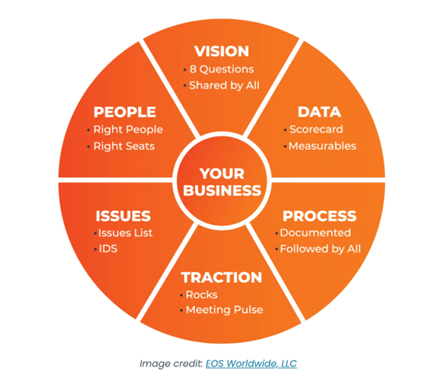
EOS has six main components:
- Vision: Setting the main objective for the company.
- People: Getting the right people in the right seats.
- Data: Measuring what matters for your vision.
- Issues: Identify symptoms of dysfunction and use them to diagnose the root cause in your organization so you can solve it quickly.
- Process: Systemizing your business so you’re moving in repeatable, predictable ways forward.
- Traction: Weekly and quarterly check-ins that maintain momentum.
Taken together, these elements build a way of doing business that keeps you moving forward. “So many organizations think that just because the CEO said it, it’s going to come true,” “After everything is locked and loaded, it’s really time to start briefing the staff because communication is critical,” says CEO Coach Christopher Justice. “And yet we all realize continual, regular communication is absolutely crucial to success.”
KPIs focus on measurement
KPI stands for key performance indicator. These are specific, measurable outcomes from your activities, often in a dashboard format.
There are two kinds of KPIs you can choose for your organization:
- Lagging indicators measure past performance. This includes last month’s sales, last quarter’s new customers, clicks on your last email campaign, or employee net promoter scores from last quarter. While they are useful indicators of your success, they mostly tell you how you did, not where you’re going next.
- Leading indicators predict future performance. You can use these to forecast what will happen next and tell if you’re truly on track, such as cost of goods sold, number of sales calls, or number of renewals.
Both the OKR and EOS systems include a goal that you’re working toward. KPIs, however, are solely units of measurement. They can hold your team accountable, but you’ll need to add a framework around the goal you’re trying to achieve with those KPIs for it to make sense to your team.
Rick Kimball, Managing Director of boutique investment bank XMS Capital Partners, recommends focusing on as few metrics as possible so you’re managing what’s actually driving growth. “The first thing to do is to establish what your goals are,” he says. “Typically, that’s measured by revenues. So there’s a revenue metric, a one-year, three-year, five-year revenue goal. But revenues are outputs, or lagging indicators, of your performance. And so what’s important is to identify what are the specific and measurable leading activities that will result in achieving your goals. We spend time with management teams to map out the steps that lead up to the sale of their product or service. What you want to be doing is measuring the activity at each of these levels of the sales process, making sure that you’re measuring what you are putting into your funnel.”
OKR vs. EOS vs. KPI: Which to choose?
It’s a bit of a trick question. All three of these methods can work together by building a strong culture of accountability in your organization. Or, you can choose one and run with it. What matters more is that you’re setting up a structure that can hold your team accountable so it’s not your job as CEO to constantly harp on your team.
| OKR | EOS | KPI | |
| Definition | Objective and key results | Entrepreneurial operating system | Key performance indicators |
| Looks like | A sentence that clarifies your key priorities: “I will [achieve my goal], measured by [key results.]” | A six-part strategic framework evaluating vision, people, data, issues, process, and traction | A dashboard that includes important metrics like revenue, EBITDA, ARR, customer churn, customer satisfaction |
| Pros | Simple, effective way to unify your team around what matters | In depth operating system designed for teams to move together effectively | Specific, measurable outcomes to track |
| Cons | May oversimplify complex projects or objectives shared by multiple teams | Not suitable for organizations of 250+ | Does not include a set goal, so you’ll need to add that to your framework |
By establishing clear expectations for what needs to get done, high-performing leaders and employees can see the wiggle room where innovation and creativity could transform your systems in the future.
Coaches can help you craft an accountability system that works for your organization
So, which system is right for you? At CEO Coaching International, we combine elements of all three systems based on exactly what an organization needs.
As you build a system that works for your business, you need to consider what will hold you accountable. “Having a CEO coach sends a huge signal to your team that this is important to you. It’s our job to facilitate your goals. We challenge, we supplement, we provide perspective so the team can move forward,” says CEO coach Dan Smytka.
Our expert coaches have years of experience with executive leadership and have been in your shoes before. They’ve worked with these systems and others to hold their teams accountable and they’re ready to help you do the same. If you have questions or just want to connect with someone who knows what you’re going through, schedule a complimentary, no-obligation coaching session today. See what accountability looks like for your team >
If you’d like to work with a coach, fill out the form below to take us up on a complimentary 1:1 coaching call.
Connect With a Coach:
About CEO Coaching International
CEO Coaching International works with CEOs and their leadership teams to achieve extraordinary results quarter after quarter, year after year. Known globally for its success in coaching growth-focused entrepreneurs to meaningful exits, the firm has coached more than 3,500 CEOs and senior leaders across 160+ industries and 94 countries. Its coaches—former CEOs, presidents, and executives—have led businesses ranging from startups to over $10 billion, driving double-digit sales and profit growth, many culminating in eight, nine, or ten-figure exits.
Companies that have worked with CEO Coaching International for two years or more have achieved an average revenue CAGR of 22.8%, nearly 2X the U.S. average, and an average EBITDA CAGR of 37.5%, nearly 3X the national benchmark.
Discover how coaching can transform your leadership journey at ceocoachinginternational.com.
Learn more about executive coaching | Meet our world-class coaches