

|

|

|
|
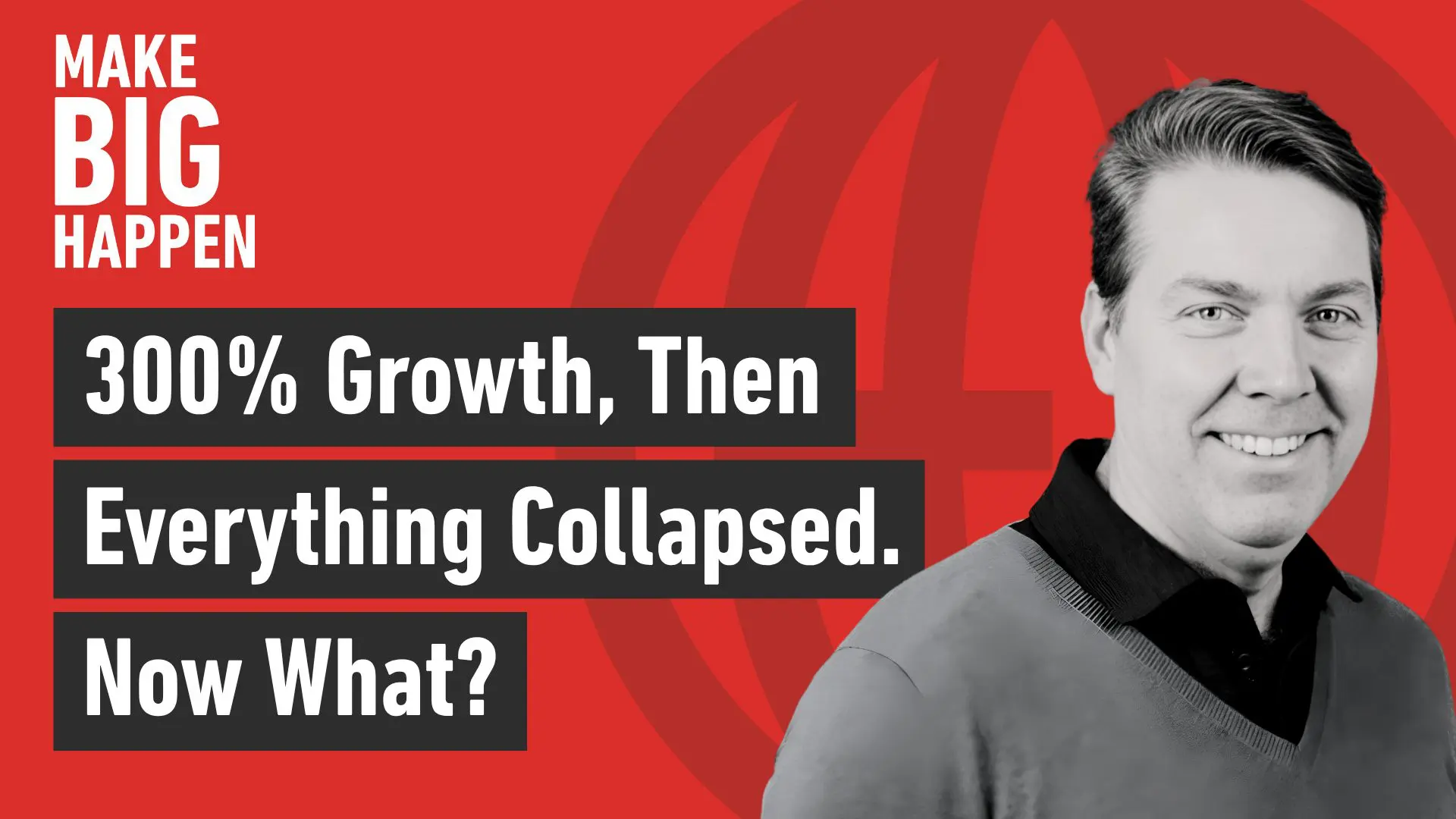
Guest: Fred Crosetto, Founder and Chairman of AMMEX Group and Founder of iSupport Worldwide
Overview: Fred Crosetto has spent nearly four decades building businesses around the world.
At 23 years old, he moved to Taiwan with no job, no safety net, and no experience in the industry that would ultimately define his career. What began as a small glove business eventually grew into a business serving customers across North America and Asia.
Along the way, Fred experienced just about every challenge an entrepreneur can face: financial struggles, personal guarantees, global expansion, leadership transitions, supply chain disruption, and one of the most dramatic business swings of the COVID era.
When the pandemic hit, Fred and his family were forced to leave China, where they had lived for more than a decade. At the same time, demand for AMMEX products surged as healthcare systems, businesses, and consumers rushed to secure protective equipment.
The company had to scale rapidly, navigate unprecedented uncertainty, and then manage the collapse in demand that followed.
Throughout the conversation, Fred shared lessons about vision, leadership, delegation, resilience, and building a life that extends beyond business.
Your Biggest Competitor May Be Belief
When Fred moved to China in 2007, he wasn’t planning to build a glove business there.
But after studying the market, he saw an opportunity.
At the time, the average American used roughly 140 disposable gloves per year. The average Chinese consumer used one.
Most people saw a market that barely existed.
Fred saw a market with enormous long-term potential.
The challenge wasn’t competition.
It was convincing people to believe.
“Our biggest competitor in China was belief.”
Employees questioned the opportunity. Customers weren’t accustomed to using disposable gloves. The market simply wasn’t thinking the same way.
But Fred remained focused on the long-term trend.
Over time, the business grew from roughly $400,000 in revenue during its first year to approximately $100 million in revenue in 2020.
Many of the best opportunities look obvious in hindsight.
The hardest part is believing in them before everyone else does.
Key Takeaway: Great leaders often see possibilities long before the market catches up.
Opportunity Favors the Prepared
Because AMMEX operated in China, Fred and his team saw signs of COVID before many companies in North America.
As the outbreak began spreading in China, they started thinking through what might happen if the disruption expanded globally.
The company increased inventory orders and began preparing for scenarios that most businesses weren’t yet considering.
They also asked an important question:
What happens if nobody can come into the office?
To find out, they began testing remote work before lockdowns occurred.
“In January of 2020, we made people stay home from work one day a week and pressure-tested people working from home.”
Weeks later, offices across the world shut down.
AMMEX was ready.
The lesson wasn’t about predicting the future perfectly.
It was about preparing for multiple possible outcomes.
Key Takeaway: Leaders gain an advantage when they prepare for change before it becomes obvious.
The Best Crisis Decisions Are Often Made Before the Crisis
One of the most important decisions Fred’s company made happened before the pandemic ever began.
In 2018, he and his leadership team realized the company had outgrown its executive structure.
Rather than ignoring the issue, they rebuilt the leadership team, upgraded key roles, and improved systems throughout the organization.
At the time, the decision was difficult.
Looking back, Fred believes it was critical.
“If we had not done that, we would’ve been wiped out by the pandemic.”
The company entered 2020 with stronger leadership, better technology, and more accountability than it had previously.
When demand exploded, the foundation was already in place.
Key Takeaway: The leadership and systems you build today determine how well you handle tomorrow’s challenges.
Protect Your Core Customers First
As demand surged during COVID, AMMEX faced the same challenge as many suppliers.
There wasn’t enough product to satisfy everyone.
Instead of chasing the highest bidder, Fred’s team focused on protecting existing customer relationships.
They created a simple philosophy:
“Everybody gets something and nobody’s happy.”
Customers received approximately 120% of their historical purchasing volume, but no one was allowed to consume all available inventory.
The company also reserved 25% of its inventory for what Fred called “whale hunting”—pursuing large strategic customers they had always wanted to win.
While many businesses focused exclusively on short-term gains, AMMEX focused on preserving trust.
Those decisions helped strengthen relationships that lasted long after the crisis ended.
Key Takeaway: During uncertainty, protecting long-term relationships often creates more value than maximizing short-term profits.
Leadership Creates Stability During Chaos
As conditions changed daily, communication became essential.
The company implemented two leadership huddles every day—one in the morning and one in the afternoon.
Those meetings continued for nearly four years.
“We went to two huddles a day. A 10 a.m. and a 4:30 p.m. huddle.”
With teams spread across multiple countries and time zones, the goal was alignment.
Information moved quickly.
Decisions were made quickly.
Everyone stayed focused on the same priorities.
For Fred, leadership during uncertainty comes down to a straightforward process:
“You communicate, you listen, you align, and you execute.”
Key Takeaway: In times of disruption, communication and alignment become competitive advantages.
Focus on What You Can Control
One of Fred’s recurring themes throughout the conversation was the importance of controlling what you can and accepting what you can’t.
Whether facing supply shortages during COVID or tariff challenges years later, he believes leaders waste energy when they focus on factors outside their control.
Instead, they should focus on the levers available to them.
“You’ve got to focus on what you can control.”
For AMMEX, that meant managing inventory, strengthening the balance sheet, improving systems, investing in technology, and helping customers navigate uncertainty.
There will always be external forces affecting a business.
The leaders who perform best focus on actions they can actually influence.
Key Takeaway: Resilient leaders direct their energy toward controllable actions instead of uncontrollable events.
Great Companies Are Built by Great People
When Fred reflects on mistakes he made early in his career, one lesson stands above many others.
He wishes he had become better at identifying, developing, and empowering great people sooner.
“I could’ve done a better job identifying A-players, developing them, coaching them, leading them, and delegating to them.”
Like many founders, he initially carried much of the responsibility himself.
Over time, he realized that growth ultimately depends on the quality of the people around you.
No entrepreneur scales a significant business alone.
Key Takeaway: The quality of your people often determines the ceiling of your growth.
Let Go So Others Can Lead
Today, Fred’s companies are run by CEOs rather than by Fred in a day-to-day operating role.
That transition wasn’t always easy.
Many founders struggle with giving up control.
Fred believes the key is recognizing that future growth requires new leadership.
“If you want to get to second base, you’ve got to take your foot off first.”
He also believes leaders must be allowed to make their own decisions.
Their job isn’t to become a copy of the founder.
Their job is to lead.
“I’d much rather have somebody beg for forgiveness than ask for permission.”
By creating space for leaders to grow, Fred has allowed his companies to continue evolving beyond his direct involvement in day-to-day operations.
Key Takeaway: Businesses scale when founders create leaders rather than followers.
BIG Growth Starts with BIG Thinking
Throughout the conversation, Fred repeatedly returned to the importance of mindset.
One lesson from a mentor has stayed with him throughout his career:
“Be opportunity-focused, not problem-focused.”
Problems need to be solved.
But leaders who focus exclusively on problems often end up maintaining the status quo.
Leaders who focus on opportunities create breakthroughs.
“If you focus on a problem, all you really do is fix the pothole.”
Opportunity-focused leaders ask bigger questions.
They pursue larger outcomes.
And they continually challenge assumptions about what is possible.
Key Takeaway: Extraordinary growth often begins with the willingness to think beyond current limitations.
Build a Life, Not Just a Business
When Fred moved to Asia in his twenties, he wasn’t chasing a specific valuation or exit.
He was pursuing adventure.
He wanted to build an international business that would allow him to experience the world.
Decades later, that philosophy still guides him.
“I wanted to build an international business so I could have a lifelong adventure seeing the world.”
That mindset has taken him far beyond business.
Fred has climbed six of the world’s seven highest peaks and, at age 61, competed in the Nordic World Ski Championships after taking up cross-country skiing later in life.
His story serves as a reminder that business success and personal growth don’t have to exist separately.
The goal isn’t simply building a company.
It’s building a life that reflects what matters most to you.
Key Takeaway: Success is ultimately about creating a life aligned with your values, goals, and sense of adventure.
Final Thought: Run Your Own Race
When asked what advice he would give entrepreneurs trying to build a meaningful business and a meaningful life, Fred’s answer wasn’t about revenue, valuation, or market share.
It was about clarity.
“You’ve got to decide what race you want to run.”
Every leader has different priorities.
Some prioritize business growth.
Others prioritize family, faith, community, adventure, or personal development.
The important thing is deciding what matters most and building intentionally around those choices.
For Fred, success has never been about following someone else’s path.
It’s been about creating his own.
Key Takeaway: The most fulfilled leaders define success for themselves and have the courage to pursue it.
Listen to the podcast here.
About CEO Coaching International
CEO Coaching International works with CEOs and their leadership teams to achieve extraordinary results quarter after quarter, year after year. Known globally for its success in coaching growth-focused entrepreneurs to meaningful exits, the firm has coached more than 3,500 CEOs and senior leaders across 160+ industries and 94 countries. Its coaches—former CEOs, presidents, and executives—have led businesses ranging from startups to over $10 billion, driving double-digit sales and profit growth, many culminating in eight, nine, or ten-figure exits.
Companies that have worked with CEO Coaching International for two years or more have achieved an average revenue CAGR of 22.8%, nearly 2X the U.S. average, and an average EBITDA CAGR of 37.5%, nearly 3X the national benchmark.
Discover how coaching can transform your leadership journey at ceocoachinginternational.com.
Learn more about executive coaching | Meet our world-class coaches