
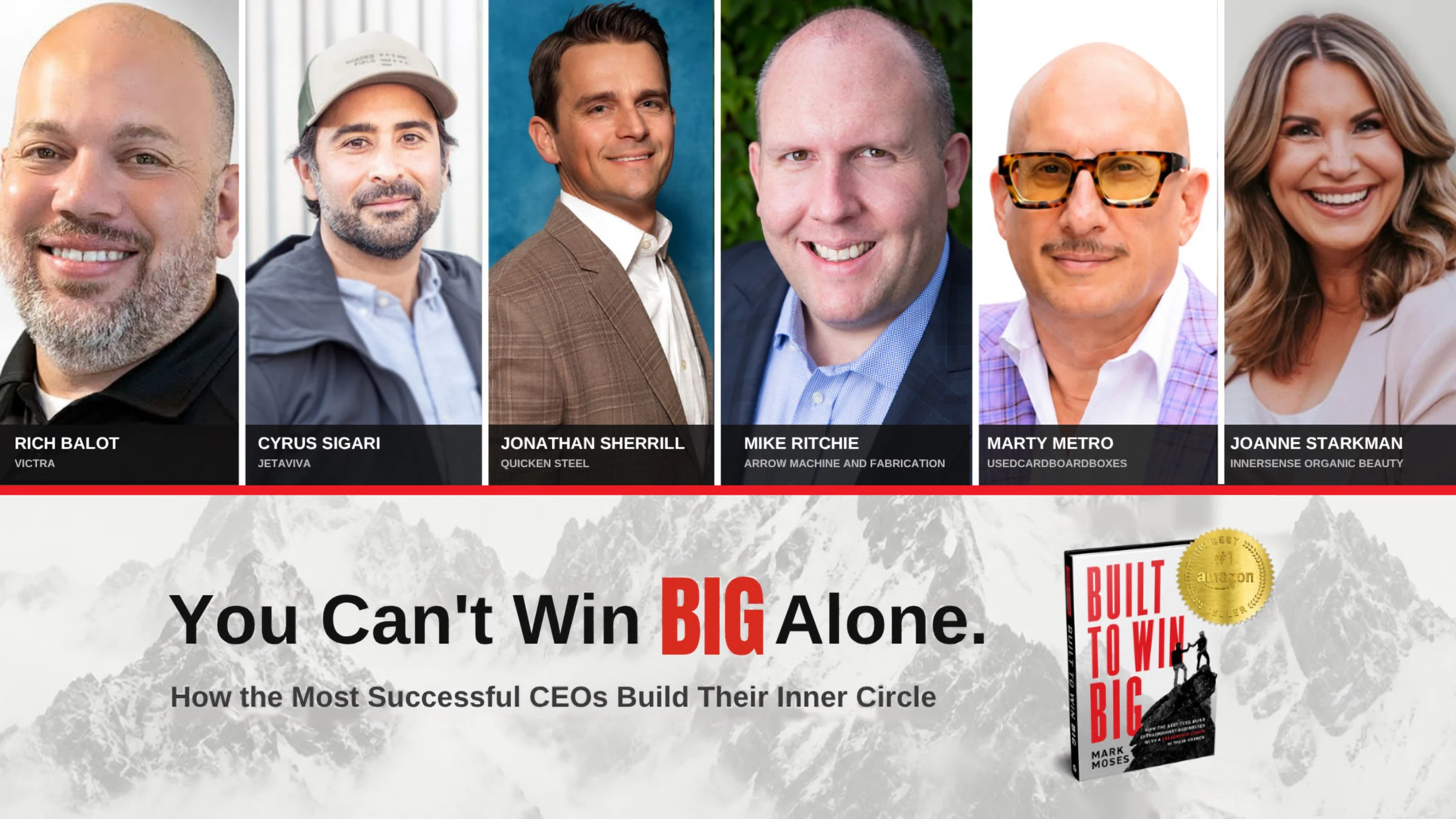
You Can’t Win BIG Alone: How the Most Successful CEOs Build Their Inner Circle
By Mark Moses, Founder and Executive Chairman of CEO Coaching International and #1 Bestselling Author of Built to Win BIG
The more successful you become as a CEO, the fewer people are willing to tell you the truth.
Your employees look to you for answers. Your leadership team depends on your decisions. Your board expects results.
But who’s challenging you?
Who’s telling you when you’re wrong? Who’s pointing out the blind spots you can’t see? And who’s holding you accountable for the difficult decisions you keep putting off?
After 18 years of coaching CEOs, I’ve learned that some of the biggest obstacles to growth aren’t found in the market, the competition, or the economy.
They’re found in a CEO’s own thinking.
And you can’t always recognize those obstacles yourself.
That’s one of the biggest lessons I share in my new book, Built to Win BIG.
The best CEOs surround themselves with people who challenge their assumptions, tell them what they need to hear, and hold them accountable for results.
I know because I’ve been on the receiving end of those conversations myself.
Why Every CEO Needs Someone Who Will Tell Them the Truth
I’ve had coaches my entire life.
Tennis coaches. Squash coaches. Triathlon coaches. Golf coaches.
And for the last 36 years, I’ve had a business coach.
Every time I’ve worked with a great coach, I’ve performed at a higher level, not because they had all the answers but because they helped me see things I couldn’t see myself.
One of the most important examples came from my longtime coach, Richard Carr.
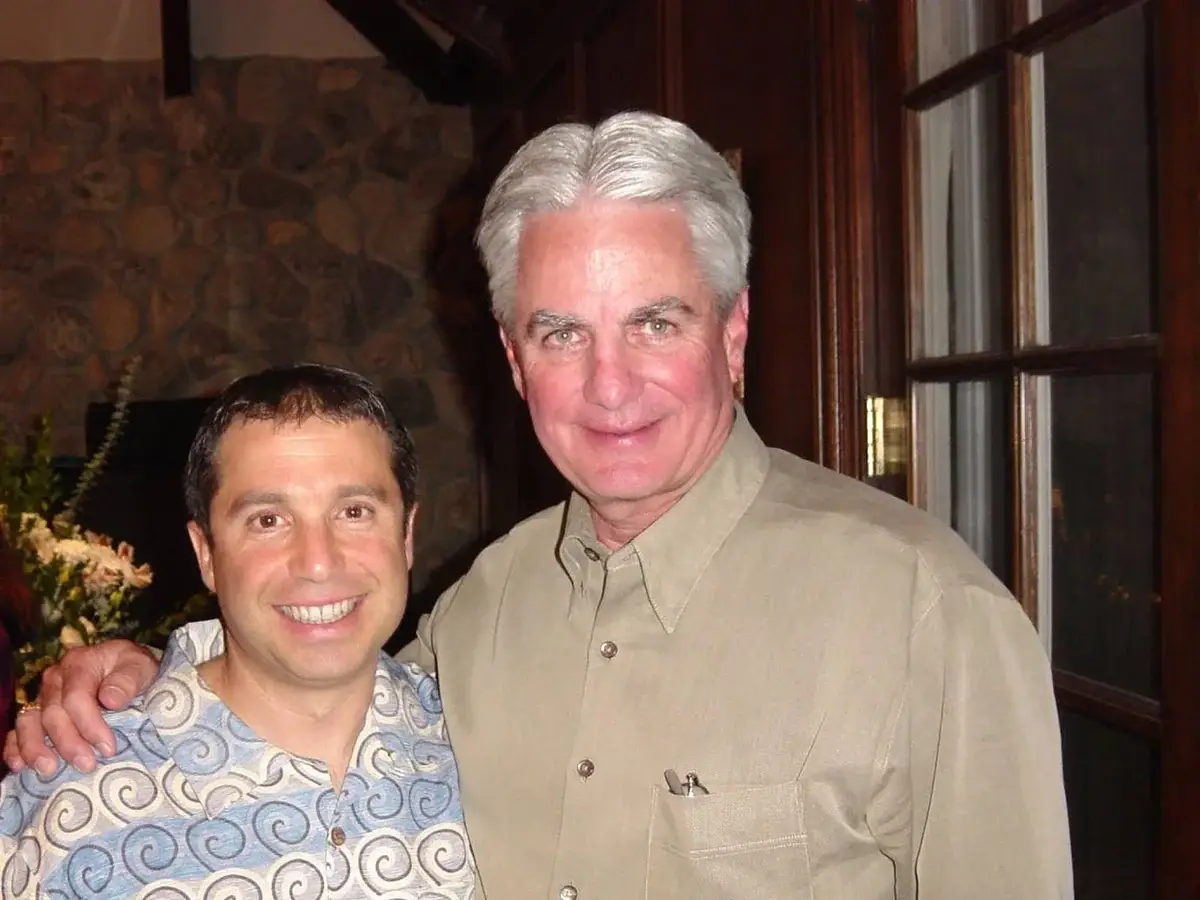
I invited Richard to observe some of my leadership meetings because I wanted his perspective on how we could become more effective.
Afterward, I asked what he thought.
His answer stopped me in my tracks.
“Your team isn’t telling you the truth, Mark. They’re telling you what won’t get them steamrolled.”
I didn’t like hearing that.
I thought I was a strong, decisive leader who encouraged debate. But Richard saw something I couldn’t.
My intensity was shutting people down. I was so focused on driving results that I wasn’t creating enough room for others to challenge my thinking.
I had built a successful business, but my approach was making it harder for the people around me to tell me the truth.
Richard didn’t tell me what I wanted to hear. He told me what I needed to hear, and that changed how I led.
I share more about that experience in Built to Win BIG because it taught me a lesson every CEO needs to understand.
The higher you climb, the more important it becomes to have someone willing to challenge you.
Who’s Holding the CEO Accountable?
Most CEOs have accountability systems for their businesses.
Sales teams have targets. Finance teams have budgets. Operations leaders have performance metrics.
But what about the CEO?
Who’s challenging your decisions, your habits, and your assumptions? Who’s holding you accountable for becoming the leader your business needs?
Here are five ways to start.
1. Confront Your Blind Spots
Every CEO has blind spots. The problem is that you can’t see them yourself.
You might think you’re being decisive when your team experiences you as controlling. You might believe you’re protecting the culture when you’re actually avoiding difficult conversations.
I’ve seen these patterns hold back extraordinary leaders. And I’ve experienced it myself.
The very strengths that helped you build your business can become the weaknesses that prevent you from taking it to the next level.
Your action: Ask three people who know your leadership well:
- What’s one thing I do that makes it harder for people to succeed?
- What am I avoiding that I need to confront?
- What do you see about my leadership that I don’t recognize myself?
Then listen. Don’t explain, defend, or debate.
2. Surround Yourself With Challengers, Not Just Supporters
Every CEO needs encouragement. But encouragement alone won’t make you a better leader.
You need people willing to disagree with you, question your assumptions, and tell you when you’re making a mistake.
People who care more about your success than your approval.
Remember, as CEO, your reaction to being challenged determines whether people will do it again. If every disagreement becomes an argument you have to win, eventually people stop disagreeing.
That’s dangerous. You can have a room full of talented executives and still make decisions without hearing what they really think.
The people who help you win BIG aren’t necessarily the people who agree with you. They’re the people willing to challenge you when it matters most.
Your action: Think about the five people who influence your biggest decisions. Will they tell you the truth even when they know you won’t like it?
3. Surround Yourself With People Who Know What You Don’t
Look at the people around you.
Who has built something bigger than you have? Who has faced challenges you haven’t? Who has the courage to tell you you’re wrong?
A great CFO can challenge your financial assumptions. An experienced board member can help you see strategic risks. A trusted peer can help you recognize what’s coming next.
An experienced CEO coach can challenge not just your decisions, but the thinking behind them.
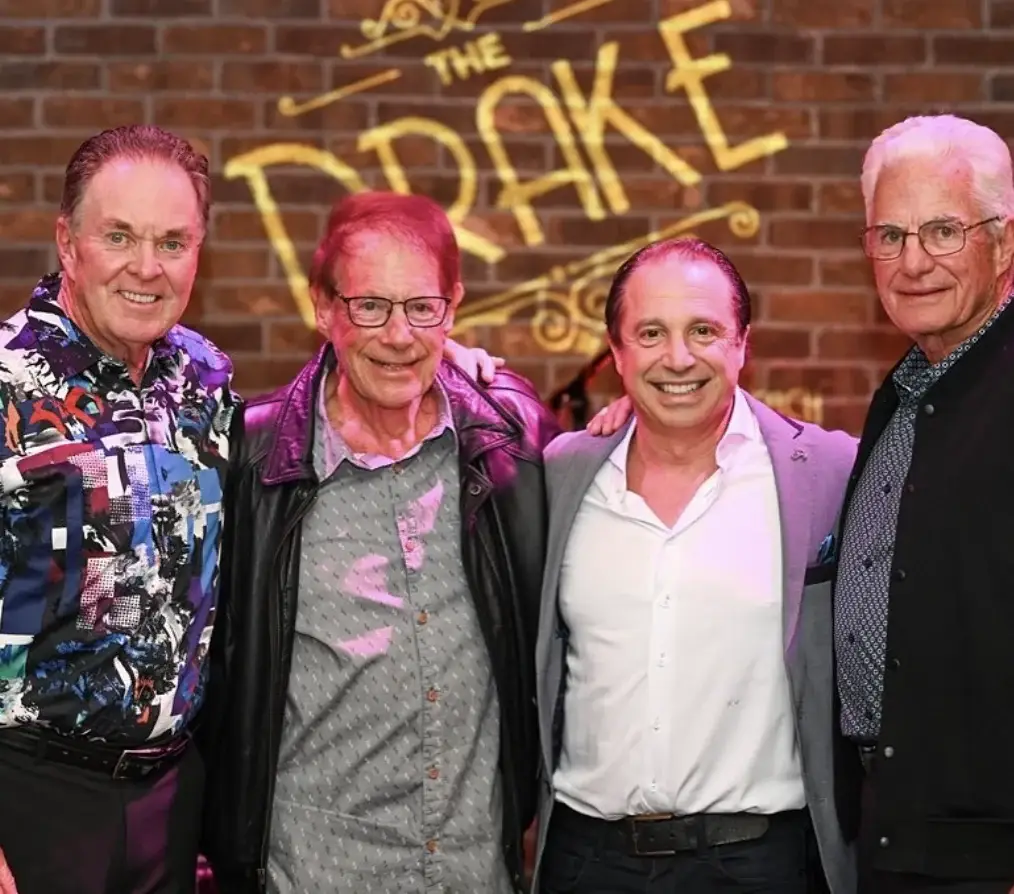
I’ve learned that firsthand. Richard Carr helped me confront my own leadership. My other coaches, including Jack Daly and Ron Ruther, have also played important roles in my development.
I’ve never believed that success means you’ve outgrown the need for coaching.
Quite the opposite.
The bigger your business becomes, the more important it is to have people who can challenge you at the next level.
Your action: Write down the people in your inner circle. What perspective does each bring? Where are the gaps? And who’s asking the questions nobody else wants to ask?
4. Your Business Can’t Outgrow Your Leadership
Most CEOs know their revenue targets, EBITDA goals, and growth plans.
But ask them what they need to change about themselves to reach those goals, and the answers become less clear.
That’s a problem.
You can’t build a significantly bigger business without becoming a different kind of leader.
Maybe you need to delegate more effectively, develop stronger executives, stop avoiding conflict, or become more disciplined about your time.
When Richard challenged how I showed up in meetings, recognizing the problem wasn’t enough. I had to change my behavior.
Your action: Identify two leadership behaviors to improve over the next 90 days. Make them measurable, and ask someone you trust to hold you accountable.
Knowing what you need to change and actually changing it are two very different things.
5. Make Accountability Nonnegotiable
A great conversation can change your perspective. But it won’t change your business unless you do something differently afterward.
I’ve watched CEOs leave planning sessions committed to making BIG changes.
Then Monday arrives with customer problems, employee issues, and financial pressures. There are 100 urgent decisions.
Before long, their commitments get pushed aside.
That’s why accountability can’t depend on motivation. It needs a consistent rhythm.
In Built to Win BIG, I talk about accountability as liberation. When responsibilities are clear, outcomes are measurable, and progress is reviewed consistently, you stop carrying everything yourself.
That applies to the CEO, too.
Your action: Establish a regular accountability rhythm with someone in your inner circle.
Review your commitments weekly, evaluate your leadership progress monthly, and assess your development quarterly.
When something doesn’t get done, ask why. Did priorities change, or did you avoid a difficult decision?
Accountability isn’t about having someone check up on you. It’s about having someone who won’t let you settle for less than you’re capable of achieving.
The Best CEOs Never Stop Being Coached
I’ve built businesses. I’ve sold businesses. I’ve coached CEOs around the world.
I still have things to learn.
The extraordinary CEOs featured in Built to Win BIG built different businesses and faced different challenges. But they had something in common. They were willing to be challenged, confront uncomfortable truths, and become the leaders their businesses needed them to be.
You can’t become the leader you’re capable of becoming if you’re only listening to yourself.
So here’s my challenge to you.
Think about the biggest goal you have for your business over the next three years.
Now ask yourself:
Who in your life is willing to tell you what you need to hear to make that goal happen?
If you can’t immediately name that person, you’ve identified something you need to change.
Nobody wins BIG alone.
Want to discover how extraordinary CEOs have transformed their businesses with experienced coaches in their corner? Read their stories in Built to Win BIG, including Chapter 2, “Overcoming Self-Limiting Beliefs,” and Chapter 3, “The Self-Awareness Advantage.”
Frequently Asked Questions
Why do successful CEOs need an inner circle?
As CEOs become more successful, they may have fewer people willing to challenge their decisions or provide honest feedback. A trusted inner circle helps identify blind spots, challenge assumptions, and provide accountability for continued leadership growth.
Who should be in a CEO’s inner circle?
A strong inner circle may include an experienced CEO coach, trusted business peers, knowledgeable board members, mentors, and executives with complementary expertise. The most important quality is a willingness to offer honest challenges rather than simply agree.
How can CEOs identify their leadership blind spots?
Seek candid feedback from trusted colleagues, work with experienced coaches, examine how your behavior affects others, and look for recurring problems that may be connected to your leadership.
How does CEO coaching create accountability?
CEO coaching provides independent perspective and a consistent structure for setting goals, confronting difficult decisions, measuring progress, and following through on commitments.